
Soda and candy are out, veggies and whole foods are in – that is the message several states are sending as they ban the purchase of sugar-filled soft drinks and other so-called “junk food” from what their government assistance programs, such as SNAP (supplemental nutrition assistance program) will cover.
That leaves an opening for healthier options, says Terry J. Ingram, chief executive officer and chairman of Inaam LLC – Inaam Botanical Sodas, which has developed a line of botanical drinks that, he says, perfectly meets the moment. Working out of the Research Park at Florida Atlantic University, the team is focused on raising money to bring most of its manufacturing to the United States from Colombia, where the drinks were conceived.
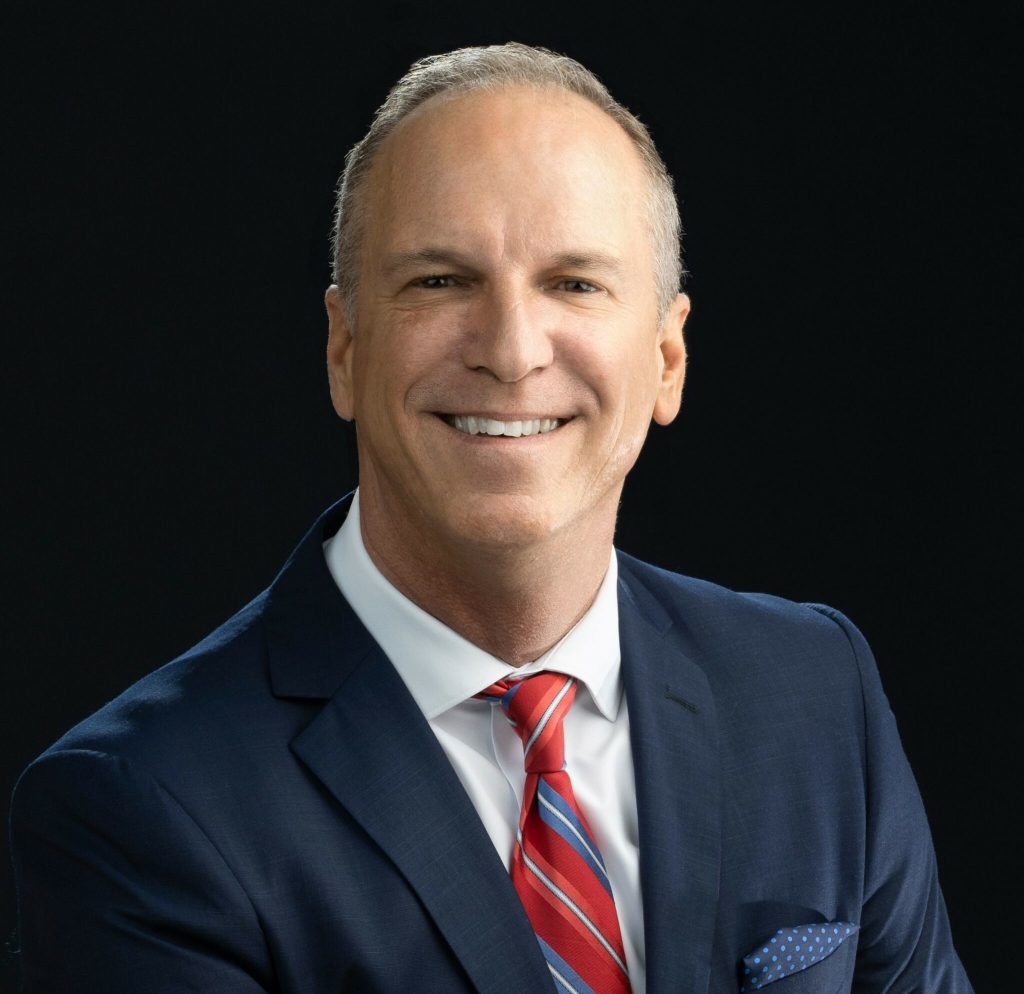
Terry J. Ingram, CEO and chairman of Inaam
The beverages, which come in seven varieties, were developed by Geronimo García and Jorge Mario Villa. The carbonated drinks have zero calories, and no artificial additives. Its genesis was to seek a healthy way to address fibromyalgia, from which García’s wife suffered. “There is strong evidence of certain botanicals that help you,” Ingram said. The Colombia team spent eight years experimenting and perfecting the formulas. The family of drinks come in several flavors which include: cranberry, basil, and juniper; lychee, hibiscus flower and lime; watermelon, mint and lemon; green apple, mint and cardamom; ginger soda, ginger beer and tonic water.
The company, which was founded in 2018, found success selling in its home country, Puerto Rico and at events in New York City and in California, but could not keep up with demand, while sourcing ingredients became an issue, and it had to regroup. That is where Ingram and Chief Capital Officer Roy “Todd” Humphry come in. Ingram, an ex-Navy submariner, has a long history in the food and beverage industry, working with conglomerates including Nestlé. His focus has been on manufacturing, process design and scalable production systems. He’s also owned several successful South America concerns along with joint ventures in the Middle East and other parts of the globe.
One of his contacts introduced him to García and Villa, and after learning about – and sampling – the products, he became enthusiastic enough to, this year, invest and undertake shepherding the firm into the wider U.S. market. Ingram, a father and grandfather, was also concerned about having healthy alternatives available to the younger generations.
It is a product whose time has come, the eight-member team believes. According to Growth Market Reports, the world-wide market for botanical soda alternatives was $1.97 billion in 2024 and expected to grow by 7.2 percent by 2033. “There is no reason we can’t be competitive in this space,” Ingram said. Both he and Humphry see it as an optimal time to jump into the U.S. market. They intend to raise $5 million in Series A funding. While getting the word out about the fizzy and herbaceously delightful drinks, they are seeking co-packers for stateside manufacturing.
The botanicals are sourced from around the world, and use the natural sweetener stevia. The proprietary formulas combine herbs and natural flavoring as well to balance the interesting yet-sometimes-biting effect of botanicals. Infusing the botanicals into the water is part of Inaam’s closely held alchemy.
Meanwhile, a lane is opening as more and more states limit what SNAP and other programs cover, just as schools seek healthier lunch ingredients. Inaam (which is Arabic for “gift,” said Ingram) has already been deemed eligible for SNAP in Florida.
The challenge, said Ingram, is getting the word out. They would like to eventually sell the business on a three-to-five year time line, a strategy much easier in the capital-rich U.S. The original founders, said Ingram, “never built this business to do what we are doing,” he said. “Then they realized they had something.”
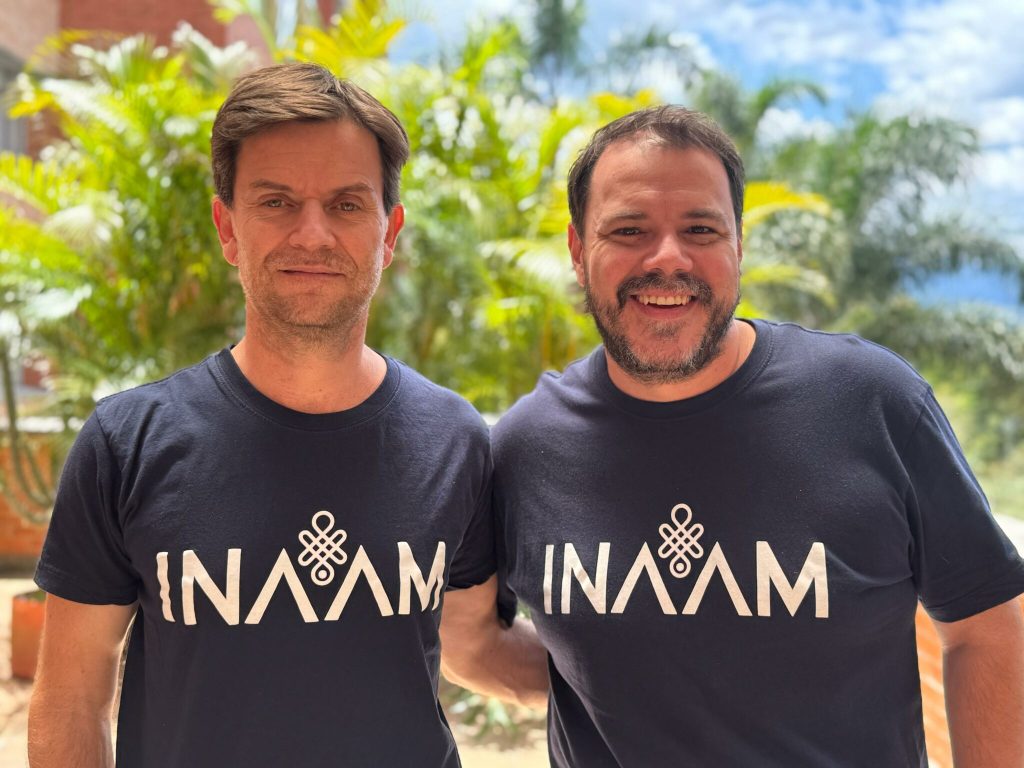
Inaam co-creators Jorge Mario Villa, co-founder, at left, and Geronimo García, founder.